PL
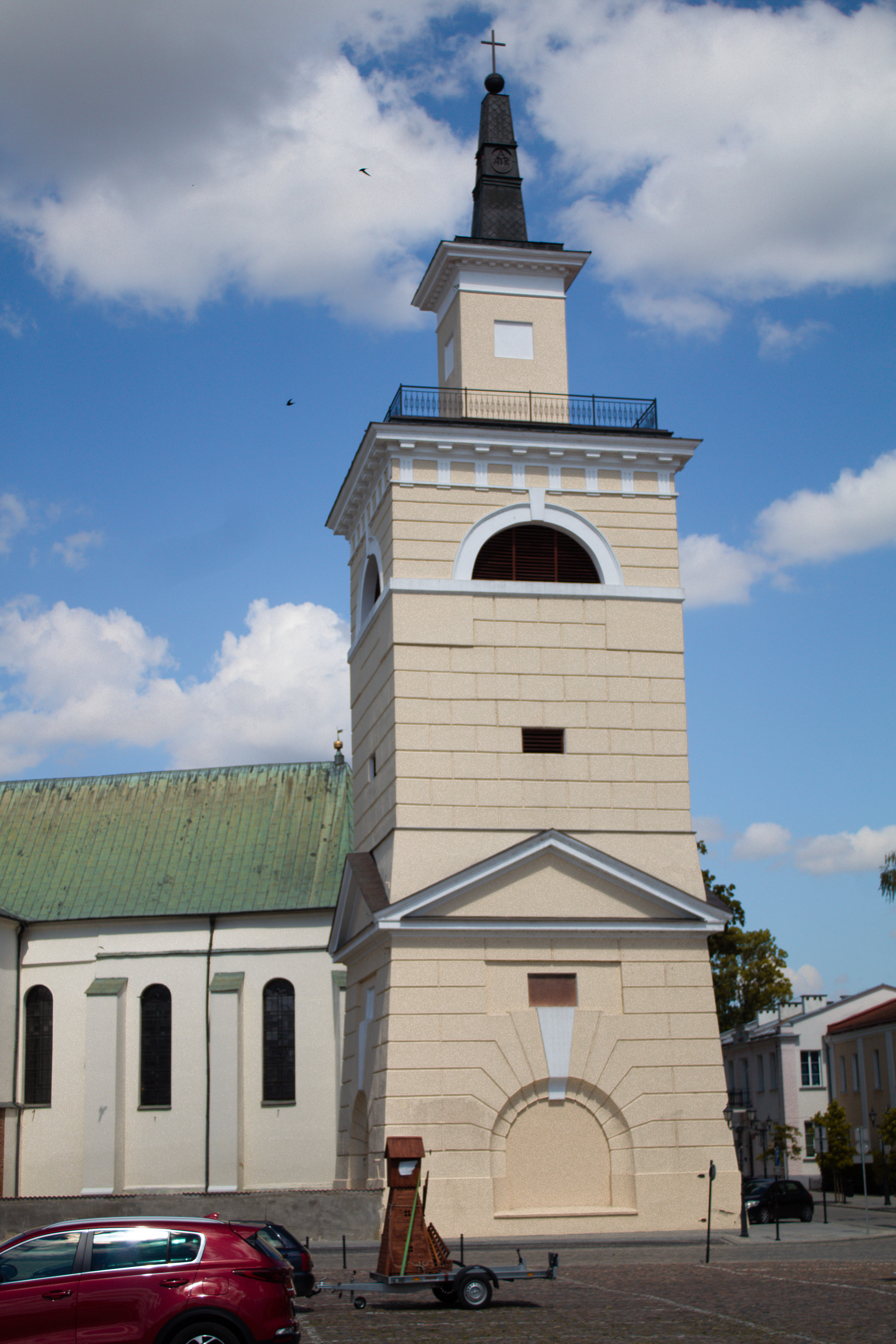
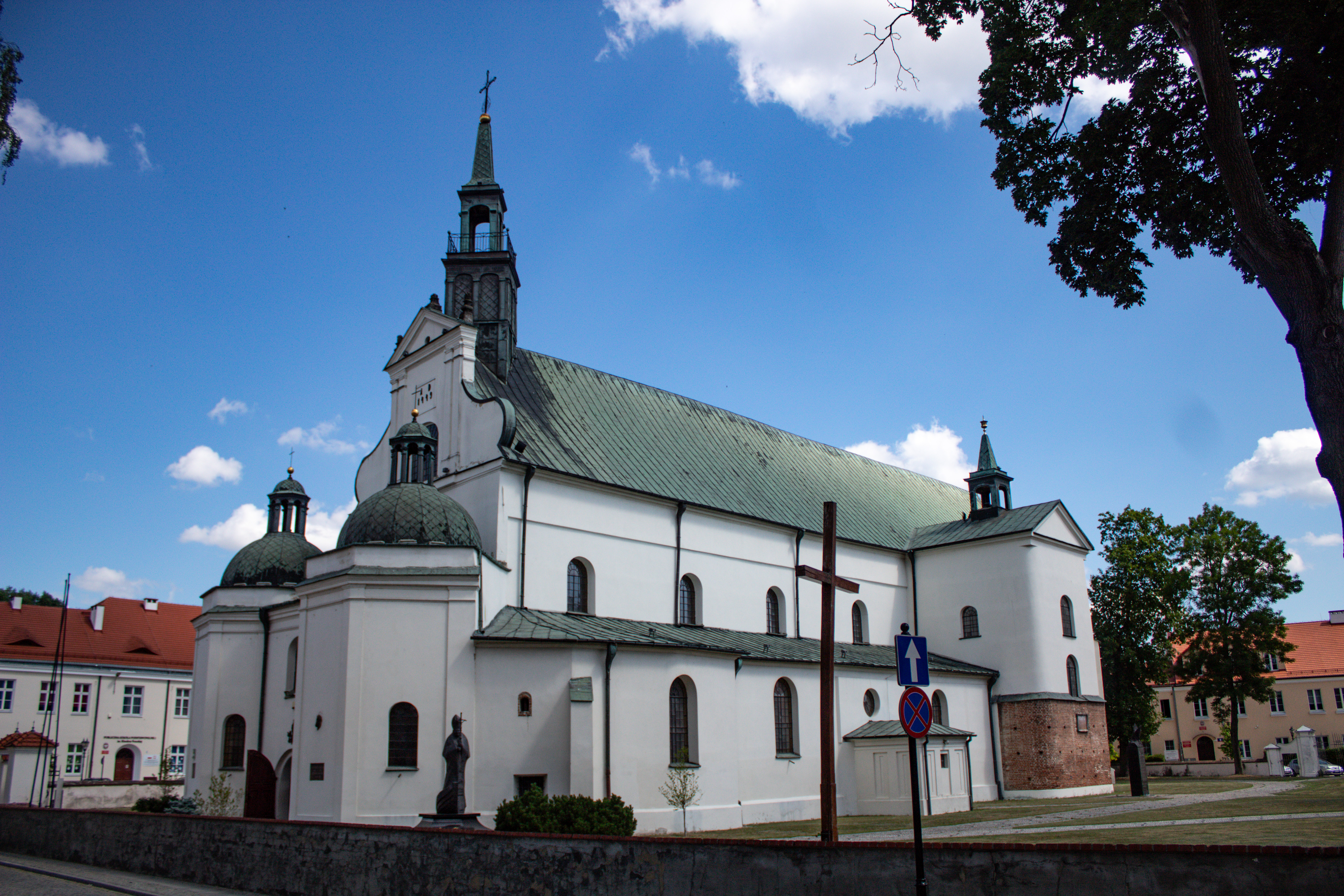
Bazylika kolegiacka w Pułtusku to jeden z najważniejszych zabytków sakralnych północnego Mazowsza. Wzniesiona w drugiej połowie XV wieku z fundacji biskupa Pawła Giżyckiego, od początku pełniła funkcję kolegiaty. Jej monumentalna bryła, utrzymana w stylu gotyckim z elementami renesansu i baroku, dominuje nad Starym Miastem i stanowi charakterystyczny punkt panoramy Pułtuska.
Wnętrze świątyni zachwyca bogactwem detali architektonicznych i artystycznych. Najbardziej imponującym elementem jest 60-metrowe sklepienie kolebkowe, pokryte renesansowymi polichromiami przedstawiającymi sceny biblijne i ornamenty roślinne. Wśród 15 ołtarzy wyróżnia się barokowy ołtarz główny oraz kaplica z iluzjonistycznymi freskami, które tworzą efekt głębi i przestrzeni. W bocznych kaplicach znajdują się liczne epitafia, tablice pamiątkowe i relikwie.
Bazylika pełniła również funkcję nekropolii - w jej podziemiach spoczywają przedstawiciele mazowieckiej szlachty oraz biskupi płoccy. Przez wieki była miejscem ważnych wydarzeń religijnych i patriotycznych, goszcząc m.in.. monarchów i pielgrzymów. Dziś pozostaje nie tylko miejscem kultu, ale także celem turystycznym, przyciągającym miłośników historii, sztuki i duchowości.
EN
The Collegiate Basilica of the Annunciation of the Blessed Virgin Mary in Pułtusk is a masterpiece of sacred architecture and one of the most historically significant churches in the Mazovia region of Poland. Constructed in the second half of the 15th century under the patronage of Bishop Paweł Giżycki of Płock, the basilica was designed to serve as a collegiate church - a center of religious life and clerical education. Its Gothic silhouette, later enriched with Renaissance and Baroque elements, dominates the town’s historic center and reflects centuries of architectural evolution and spiritual devotion.
The interior of the basilica is a stunning blend of artistry and craftsmanship. Its most iconic feature is the 60-meter-long barrel vault ceiling, one of the longest in Poland, covered with exquisite Renaissance polychromes. These frescoes, painted by artists influenced by the Italian school, depict biblical narratives, ornamental patterns, and symbolic motifs that elevate the spiritual experience of the space. The basilica houses 15 altars, each with unique artistic and historical value. The main altar, crafted in the 17th century, is a Baroque marvel adorned with sculptures and a central painting of the Annunciation. A side chapel features illusionistic frescoes that create a striking three-dimensional effect, showcasing the sophistication of sacred art in early modern Poland.
Beyond its architectural splendor, the basilica holds deep historical resonance. Its crypts serve as the final resting place for members of the Mazovian nobility and bishops of Płock, including notable figures such as Bishop Andrzej Noskowski. Over the centuries, the church has witnessed royal visits, national celebrations, and countless pilgrimages, becoming a silent witness to Poland’s religious and cultural history. Today, the Collegiate Basilica in Pułtusk continues to function as an active place of worship while welcoming tourists, historians, and art lovers who seek to explore its rich legacy and serene beauty.
 1 / 2
1 / 2